
Is Dubai Safe for My Child? A Complete, Encyclopedic Guide for Parents (2026 Edition)
Sending a child abroad for their university education is a monumental milestone in any family’s life. It is a moment of immense pride, marked by the excitement of new academic horizons, personal growth, and the thrill of independence. However, for parents, this transition is almost universally accompanied by a deep, underlying anxiety. While academic rankings, tuition fees, accreditation, and career prospects are undoubtedly critical factors in choosing a study destination, safety is, without question, the paramount concern. Parents need to know that their child will be living in a secure, nurturing, and highly protective environment.
When comparing international study destinations such as the United States, the United Kingdom, Australia, or Canada, parents often have to weigh the academic benefits against the realities of urban crime. If you are considering the United Arab Emirates (UAE)—and specifically the Emirate of Dubai—as a study destination for your son or daughter, you can breathe a profound sigh of relief. Dubai is consistently ranked as one of the safest cities in the entire world. It is a global metropolis that has achieved the rare feat of combining rapid economic and infrastructural growth with an almost unparalleled level of civil security, social harmony, and strict adherence to the rule of law.
In this comprehensive, exhaustive 2026 guide, we will explore exactly why the UAE is the perfect, secure environment for international students. We will take an encyclopedic deep dive into the specific security measures in place, the legal framework, campus infrastructure, medical readiness, digital safety laws, cultural norms, and everything else parents need to know to enjoy absolute, unwavering peace of mind while their child pursues higher education in Dubai.
1. A Deep Dive into the UAE’s Security Landscape and Global Rankings
Dubai’s reputation as a safe haven is not just anecdotal; it is backed by years of consistent, globally recognized statistical data. The UAE government enforces a strict, zero-tolerance policy towards crime, which permeates every level of society and governance.
The Statistics and Global Indexes
Year after year, Dubai dominates global safety indexes. According to Numbeo’s Crime Index, Dubai frequently ranks in the top three safest cities globally, often surpassing traditional safe havens like Tokyo, Munich, and Zurich. In 2025 and moving into 2026, the UAE was classified as having one of the lowest crime indexes and highest safety indexes worldwide.
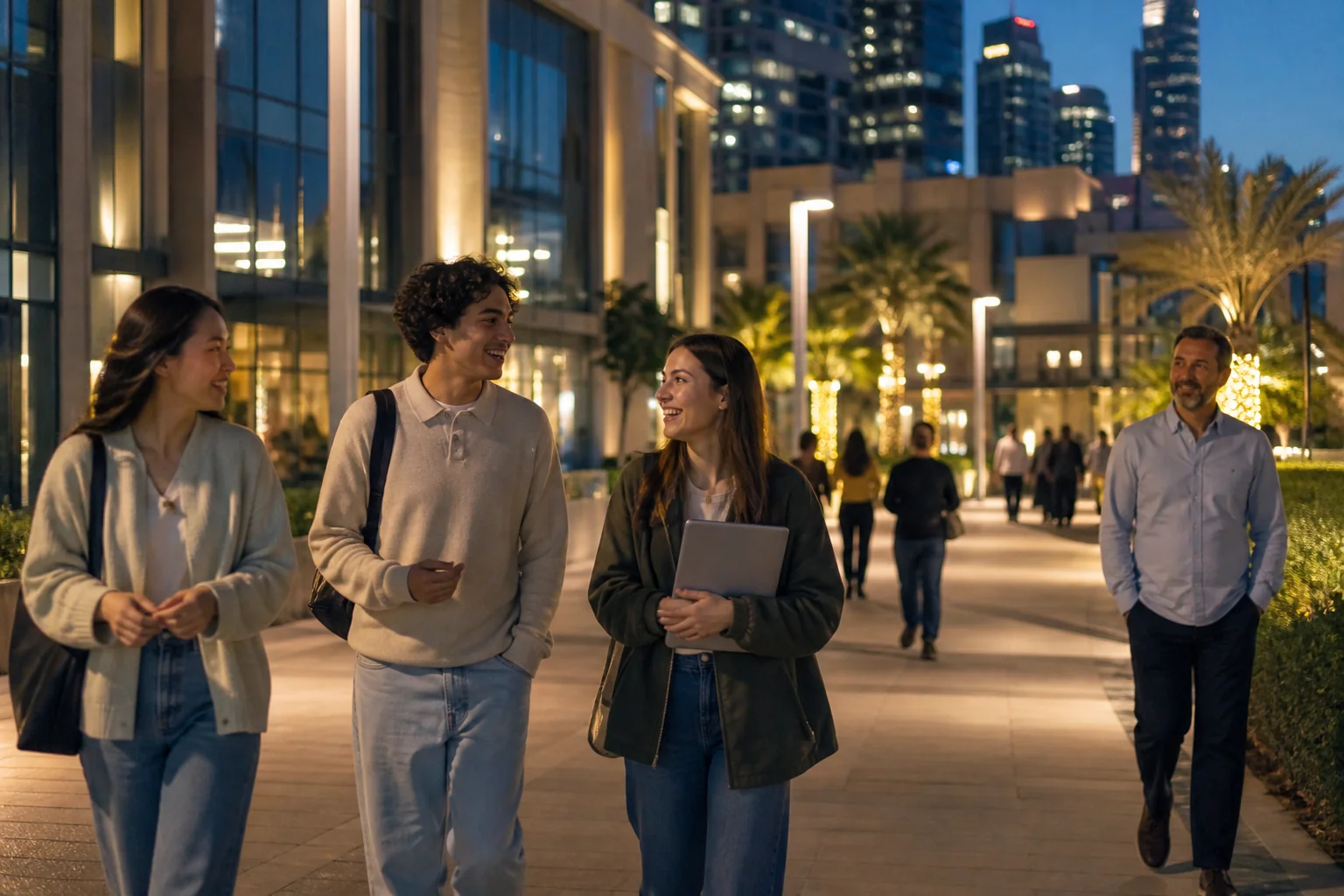
For a parent, these are not just numbers on a page; they represent a society where the risk of violent crime, muggings, and petty theft is statistically negligible. The Gallup Global Law and Order report consistently ranks the UAE at or near the number one spot globally for the percentage of residents who feel safe walking alone at night. This metric alone speaks volumes about the reality of daily life in Dubai.
Zero Tolerance for Crime
Violent crime in Dubai is virtually non-existent. The types of crimes that often plague university cities in Western countries—such as late-night muggings, gang-related violence, gun crime, or unprovoked assaults—are completely absent from the daily reality of living in the UAE.
Even petty crimes, such as pickpocketing in crowded tourist areas, luggage theft, or mobile phone snatching on public transport, are incredibly rare. It is a common, everyday occurrence in Dubai for residents to leave their expensive laptops unattended in a bustling café for an hour while they take a meeting, or to leave their cars running with the doors unlocked while they pop into a grocery store, with absolutely zero fear of theft. This level of societal trust and security is almost unheard of anywhere else in the world.
Visible and Invisible Security: The Smart Police
The Dubai Police force is widely regarded as one of the most advanced, well-funded, and efficient law enforcement agencies on the planet. Their presence is a reassuring blend of visible community policing and highly advanced, invisible technological surveillance.
The city is heavily monitored by an expansive network of high-definition, AI-integrated CCTV cameras, part of the advanced ‘Oyoon’ (Eyes) project. This system uses facial recognition and behavioral analysis to allow authorities to track and resolve any incidents with unprecedented speed. For a student, this means that every street, shopping mall, metro station, and public park is constantly monitored for their protection. The police are not seen as a reactive force to be feared, but as a proactive guardian of public safety, ensuring that residents and students can walk safely on the streets at any time of the day or night.
2. The Legal Framework: How the Law Protects Students
The foundation of Dubai’s unparalleled safety is its strict, unambiguous legal framework. The UAE’s laws are designed to ensure public order, mutual respect, and the absolute safety of its residents. The system is designed to be preventative rather than purely punitive.
Strict Consequences for Offenders
One of the primary reasons crime is so low is the severe consequences of breaking the law. The UAE operates on a strict legal code where criminal behavior results in immediate, severe punishment. For expatriates, which make up roughly 85% to 90% of the population, any significant criminal conviction almost always includes mandatory deportation after serving a sentence.
This creates a massive, effective deterrent for any would-be offenders. People living in the UAE know that engaging in criminal activity—whether it is theft, assault, or fraud—means losing their livelihood, their visa, and their residence in the country permanently. There is simply too much at stake for the average resident to risk breaking the law.
Respect for the Law and Low Recidivism
Because of these strict penalties, the culture in Dubai is one of profound respect for the law. The judicial process is fast, efficient, and transparent. For international students, this legal framework acts as an invisible, impenetrable shield. They are protected by laws that heavily penalize harassment, theft, public disturbance, and even verbal abuse.
The environment inherently discourages the reckless behavior sometimes seen in university towns elsewhere. You will not find rampant vandalism, street brawls, or aggressive panhandling. This allows students to focus entirely on what they came to Dubai for: their studies, personal development, and safe socialization.
3. Strict Regulations on Drugs, Alcohol, and Misbehavior
For parents worried about negative peer pressure, substance abuse, or unsafe partying environments that often derail academic careers, Dubai offers tremendous peace of mind. The UAE maintains a strict cultural and legal framework that naturally fosters a healthier, more focused, and respectful academic environment.
Absolute Zero Tolerance for Drugs
The UAE has absolute zero tolerance for illegal drugs of any kind. Possession, use, smuggling, or trafficking of narcotics results in severe legal consequences, mandatory jail time (often lengthy sentences), and immediate deportation. There is no leniency, no “warning” system, and no slap on the wrist.
This strict approach eradicates the drug culture found on many Western campuses. Parents do not need to worry about their children being exposed to recreational drug use in dormitories or at student parties, because the risk associated with drugs in the UAE is simply too high for students to entertain.
Regulated Alcohol Consumption
Alcohol is strictly regulated across the country. It is not sold in standard supermarkets or convenience stores to the general public. It is only served in licensed venues (such as hotels, specialized clubs, and designated restaurants) and is strictly restricted to non-Muslims over the age of 21.
Furthermore, residents must hold an alcohol license to purchase alcohol for home consumption from specialized, highly regulated stores. Students cannot easily purchase cheap alcohol, which severely reduces the risks associated with the binge-drinking cultures, alcohol-fueled campus violence, and risky behaviors often prevalent in university towns worldwide. Public intoxication is illegal and heavily penalized.
4. Comprehensive Guide to Campus Security and University Protocols
Universities in Dubai take student safety extremely seriously. The infrastructure is designed from the ground up to protect students, staff, and faculty, recognizing that a safe environment is a prerequisite for academic excellence.
Dedicated Educational Zones
Most major international universities in Dubai—such as branch campuses from the UK (Heriot-Watt, Middlesex), Australia (Wollongong, Curtin), and the US—are located within dedicated educational free zones. The two primary hubs are Dubai International Academic City (DIAC) and Dubai Knowledge Park (DKP).
These zones operate almost like massive gated communities tailored specifically for students and academic professionals. They are private, heavily regulated areas that do not experience the random foot traffic of a typical city street. They have their own dedicated security infrastructure, traffic management, and emergency response teams.
Standard Campus Security Features
If you walk onto any university campus in Dubai, you will immediately notice the high level of security infrastructure:
- 24/7 Surveillance: Comprehensive, high-definition CCTV monitoring is ubiquitous across all campus buildings, lecture halls, laboratories, libraries, and outdoor recreational spaces. Blind spots are actively minimized, and control rooms are manned 24/7.
- Restricted and Monitored Access: Entry into university buildings is not open to the general public. It requires mandatory student and staff ID card scanning. Turnstiles and electronic access gates ensure that only authorized individuals can enter academic buildings.
- Highly Trained On-Campus Security: Universities employ private, highly trained security personnel who patrol the campus constantly. These guards are trained in emergency response, crowd control, conflict de-escalation, and first aid.
- Visitor Protocols: Any visitor to the campus must log in at a security desk, surrender a form of government ID (like an Emirates ID or passport), state their business, and wear a visitor badge while on the premises. They are often escorted by the person they are visiting.
- Emergency Response Systems: Campuses are equipped with immediate emergency response systems, including panic buttons in isolated areas, comprehensive fire detection and suppression systems, and clear evacuation protocols with regularly practiced drills.
5. Exhaustive Review of Student Accommodations: On-Campus vs Private
Living arrangements are a massive point of anxiety for parents. Will the building be safe? Who is monitoring who comes in and out? Will my child be supervised? In Dubai, the standard of purpose-built student accommodation is world-class, resembling luxury hotels or premium serviced apartments more than traditional, run-down college dormitories.
Partnered and Purpose-Built Housing
Most universities in Dubai partner with world-class, purpose-built student housing providers, such as The Myriad, KSK Homes, and Uninest Student Residences. These residences go above and beyond standard apartment living, offering a highly controlled, secure, and supportive environment tailored specifically to young adults living away from home.
Deep Dive into Accommodation Security Features
| Safety Feature | Detailed Description |
|---|---|
| Advanced Biometric Access Control | Entry to the building, individual residential blocks, and personal rooms is strictly controlled. Most modern facilities utilize biometric access (fingerprint or facial recognition) alongside encrypted key-cards. Lost cards are immediately deactivated to prevent unauthorized entry. |
| 24/7 Guards on Duty | Professional, trained security personnel are stationed at all main entrances 24 hours a day. They monitor the CCTV feeds, check in guests, and perform regular walking patrols of the corridors, parking areas, and perimeter. |
| Gender Segregation Options | To cater to cultural preferences and provide added comfort, many accommodations offer strict gender-segregated living. This includes female-only blocks, floors, or entirely separate buildings with female-only staff, cleaners, and security guards. |
| Safe, Dedicated Transport | Accommodations provide secure, dedicated, air-conditioned shuttle buses operating on a regular, reliable schedule between the residence and the university campuses. Students do not need to rely on public transport or walk in the heat, ensuring a safe door-to-door commute. |
| Live-In Residential Advisors (RAs) | Similar to the US system, these facilities employ RAs—senior students or trained staff members who live on-site. They are the first point of contact for any pastoral care, roommate disputes, or late-night emergencies, ensuring students are never truly alone. |
| Strict Guest and Curfew Policies | Guests are heavily regulated. They must sign in, leave their ID at the reception, and are often restricted to common areas. Overnight guests of the opposite gender are strictly prohibited in almost all student accommodations. Some residences for younger students enforce sign-in curfews for added parental peace of mind. |
| Comprehensive Fire Safety | Buildings in Dubai are relatively new and built to some of the strictest international fire safety codes in the world, featuring state-of-the-art smoke detectors, sprinkler systems, heavy fire doors, and mandatory, regularly practiced fire drills. |
Whether your child chooses partnered student residences or private renting in family-friendly neighborhoods (like Dubai Silicon Oasis, Jumeirah Lakes Towers, or Al Barsha), the baseline level of security in residential buildings across Dubai always includes CCTV, lobby security guards, and electronic access control.
6. Neighborhood Safety: Where Do Students Live?
A common question from parents is regarding the safety of specific neighborhoods. In many global cities, taking a wrong turn can lead you into a dangerous or impoverished area. This is not the case in Dubai.
There are no ‘bad neighborhoods’ or ‘no-go zones’ in Dubai. While some areas are older, more commercial, or more industrial than the ultra-modern downtown areas, the concept of a dangerous neighborhood where violent crime is rampant simply does not exist.
Students typically live in areas like Dubai Silicon Oasis (DSO) (which is very close to Academic City), Jumeirah Lakes Towers (JLT), Al Barsha, or Dubai Marina. These are bustling, family-friendly, highly expatriate-populated areas with excellent infrastructure, well-lit streets, and continuous security patrols. Students can comfortably and safely walk to a local 24-hour supermarket or pharmacy at 2:00 AM without looking over their shoulder.
7. Public Transport Safety: Metro, Buses, and Taxis
Navigating a new city can be daunting, but Dubai’s infrastructure makes it incredibly safe, straightforward, and reliable. The Roads and Transport Authority (RTA) operates a world-class public transport network that prioritizes passenger safety above all else.
The Dubai Metro
The Dubai Metro is one of the safest, cleanest, and most efficient public transport systems in the world. It is fully automated and driverless. For students, it is the lifeline of the city.
- Total CCTV Coverage: Every single carriage, platform, and station is heavily monitored by CCTV and dedicated RTA transit police. Any suspicious behavior is immediately flagged.
- Dedicated Cabins: The Metro features dedicated women-only and children-only cabins. If a female student is traveling alone, especially during rush hour or late at night, she can use these cabins for absolute comfort, space, and privacy. Men found in these cabins are swiftly fined by inspectors.
- Gold Class: There is also a premium ‘Gold Class’ cabin for those who prefer more space and guaranteed seating, accessible for a slightly higher fare.
Buses and Taxis
- RTA Buses: The bus network is similarly safe, modern, and air-conditioned, with strict behavioral codes enforced on board. Drivers are heavily vetted.
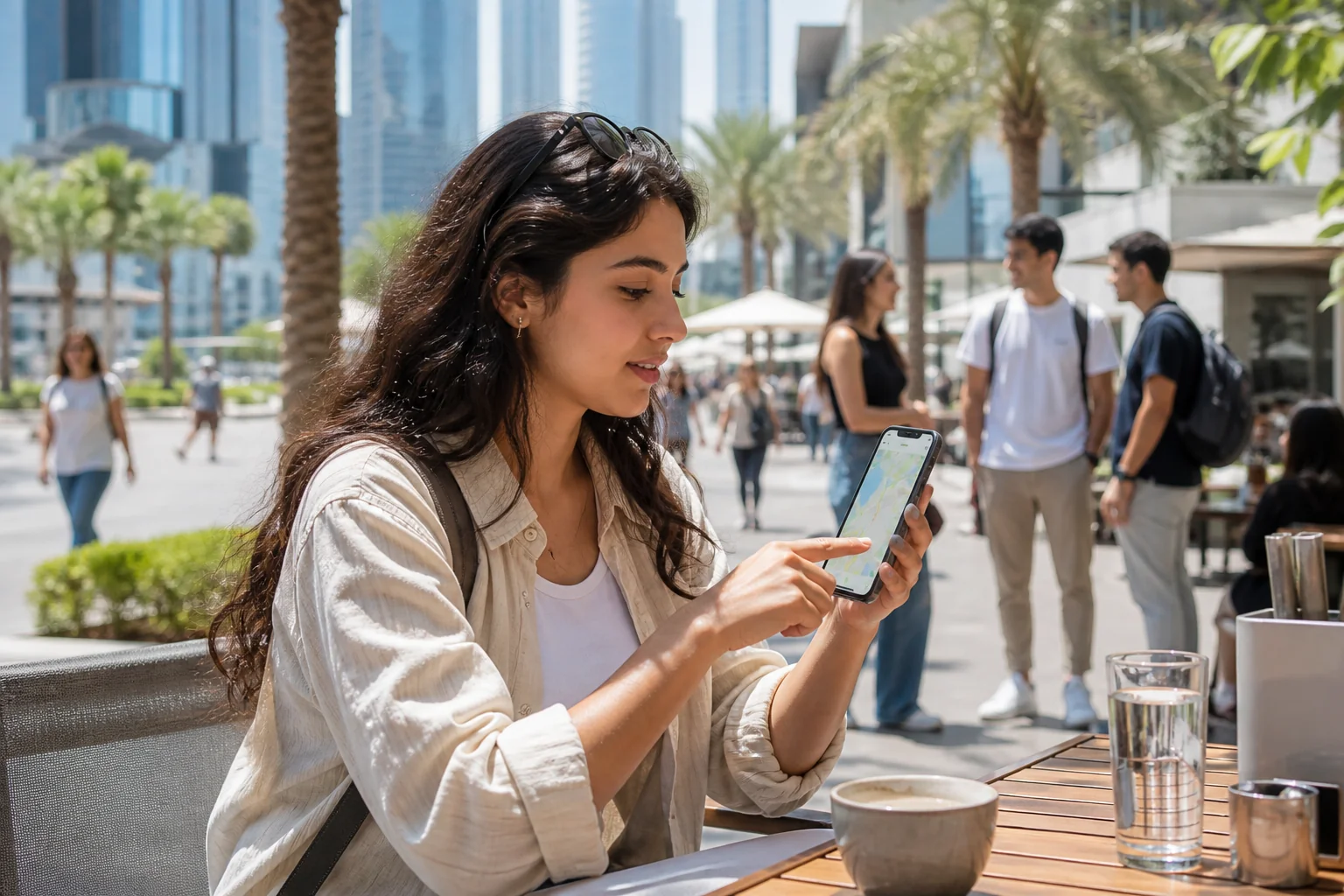
- Taxis and Ride-Hailing: Dubai Taxis are heavily regulated by the government. Every taxi is equipped with GPS tracking, speed monitors, and internal CCTV. The driver’s details and ID are clearly displayed. Ride-hailing apps like Uber and Careem are widely used and deeply integrated into the city, offering journey tracking features that students can share live with their parents.
- No Hitchhiking Culture: Unlike some countries, there is absolutely no culture of hitchhiking in the UAE. It is incredibly uncommon and actually illegal, which further mitigates risky travel behaviors for young adults.
8. Healthcare Safety: Mandatory Insurance and World-Class Hospitals
Medical emergencies or illnesses are rare, but it is vital to know your child is in good hands if one occurs. Dubai boasts a world-class, highly regulated healthcare system with state-of-the-art hospitals, specialized clinics, and modern medical centers.
Mandatory Health Insurance
The most crucial protective measure is that every single international student is required by law to have comprehensive health insurance in order to obtain and maintain their UAE student visa. This is a non-negotiable requirement strictly enforced by the Dubai Health Authority (DHA).
This insurance ensures that your child will always have immediate access to high-quality private healthcare without you facing exorbitant, unexpected out-of-pocket costs. From routine doctor visits for a flu or a sprained ankle to emergency surgeries, the financial and logistical burden is covered. Universities facilitate this process during enrollment.
World-Class Hospitals and English-Speaking Staff
Dubai is home to internationally accredited (JCI) hospital networks like Mediclinic, Saudi German Hospital, Aster, and King’s College Hospital London. The healthcare facilities, hygiene standards, and medical technology rival or exceed the best in the West.
Crucially for international students, the vast majority of doctors, nurses, and medical staff in Dubai are expatriates themselves. They are trained in the UK, US, India, Canada, or Europe, and speak fluent English. There is no language barrier when discussing complex health issues, ensuring accurate diagnoses and comfortable care.
9. Emergency Services and Crisis Preparedness
In the unlikely event of an emergency, the response times in Dubai are incredibly fast. The emergency services are highly trained, heavily resourced, and utilize advanced dispatch technology, including AI traffic routing to ensure ambulances and fire trucks reach their destinations rapidly.
The key emergency numbers your child will learn immediately are:
- Police: 999
- Ambulance: 998
- Fire Department: 997
The dispatch operators are highly trained, multilingual, and English is a standard language of operation. Furthermore, pharmacies are ubiquitous across every neighborhood, with many operating 24/7, providing easy access to over-the-counter medications and basic medical advice from qualified pharmacists.
10. Digital Safety: Cybersecurity Laws and Social Media Etiquette
In today’s interconnected digital age, safety extends far beyond the physical realm. The UAE is highly proactive in regulating the digital space to protect its residents from cyberbullying, financial fraud, and digital harassment.
Robust Cybercrime Laws
The UAE has implemented some of the strictest, most comprehensive cybercrime laws in the world. Online harassment, cyberbullying, blackmail, doxxing, and spreading malicious rumors are treated as severe criminal offenses. If a student is being harassed on social media, via email, or on messaging apps like WhatsApp, they have powerful, immediate legal recourse. The authorities have specialized cybercrime units that can trace IP addresses and prosecute offenders swiftly.
Social Media Etiquette and Privacy
Students must be aware of digital etiquette, which is strongly enforced. Laws strictly prohibit taking photos or videos of people in public without their explicit consent and posting them online. Defaming someone, swearing online, or insulting the country’s leadership or religion on social media can lead to severe fines or deportation.
While this may seem strict to newcomers, it creates an incredibly polite, respectful, and safe online environment. It actively shields students from the toxic, unmoderated cyberbullying cultures that cause severe mental health issues in many other parts of the world.
Avoiding Scams and VPN Usage
The government and banks continuously educate the public about phishing scams and financial fraud. While Virtual Private Networks (VPNs) are commonly used by international students to access content from their home countries (like Netflix catalogs), they must be aware that using a VPN to commit cybercrimes, access blocked/illegal content, or bypass VoIP restrictions is illegal and carries hefty fines.
11. Cultural Safety and Respect: Dress Codes and Social Norms
Dubai offers a unique blend of a futuristic metropolis rooted in traditional Islamic values. This creates a cultural framework that demands respect and naturally fosters a polite, safe society.
Dress Codes and Public Behavior
Dubai is a highly tolerant, cosmopolitan city, but it respects modesty. Students are expected to dress modestly in public places (like shopping malls, government buildings, and local souks), generally covering shoulders and knees. While beachwear is perfectly acceptable at the beach or pool, it is not worn walking down the city streets.
Public displays of affection (PDA) beyond holding hands are illegal and culturally unacceptable. Swearing in public, causing a scene, or making aggressive gestures (like middle fingers, even in traffic) is a punishable offense.
A Culture of Respect
This framework creates an environment built on mutual respect. Harassment, public drunkenness, brawling, and public disturbances are taken extremely seriously by local authorities. For a student, this means they live in a polite, orderly society where their personal boundaries are respected by law. If a student is ever made to feel uncomfortable, the authorities will always take their complaint seriously.
12. A Haven for Female Students
Perhaps one of the most compelling arguments for studying in Dubai is its globally recognized status as a safe haven for women. For parents of daughters, this is frequently the deciding factor in choosing the UAE over other destinations.
Dubai is widely recognized as one of the safest cities in the world for women. Female students report feeling exceptionally safe taking public transport, walking alone at night, exercising outdoors, or living independently.
The culture and the law are inherently protective of women. Catcalling, street harassment, unwanted advances, and even staring aggressively are strictly criminalized, and offenders face immediate arrest and deportation. The presence of women-only metro cabins, female-only taxi drivers (the distinctive pink-roofed Dubai Taxis driven exclusively by women), and gender-segregated accommodation options empower female students to live with absolute freedom, independence, and confidence, entirely free from the low-level anxiety and hyper-vigilance that women often face in other global metropolises.
13. Mental Health and Well-being Support
Safety is not just physical; it is also mental and emotional. Universities in Dubai acutely recognize the stress of moving abroad, dealing with culture shock, and facing rigorous academic pressure.
Almost all major international campuses have dedicated student wellbeing centers. These centers offer free, confidential counseling and psychological support services provided by licensed professionals. They run workshops on stress management, mindfulness, and healthy study habits. Furthermore, the close-knit nature of the expatriate community and the structured support within student accommodations (like the Residential Advisors) ensure that if a student is struggling with homesickness or anxiety, they are identified and supported quickly.
14. Conclusion and Call to Action
For parents, sending a child to study in Dubai offers the ultimate, unrivaled peace of mind. Your child will receive a world-class, globally recognized education in a vibrant, futuristic, and multicultural environment that unequivocally prioritizes their physical safety, health, digital security, and moral well-being. From the moment they land at Dubai International Airport to the day they walk across the stage to graduate, they are protected by a state-of-the-art infrastructure and a strict, respectful legal system.
At Right Step, we understand that sending your child abroad is a monumental step filled with questions, paperwork, and anxieties. We are here to eliminate that stress entirely. We work closely with parents and students to ensure a seamless, worry-free transition. We assist with university applications, securing the mandatory student visas, arranging comprehensive health insurance, finding the safest and most suitable student accommodation, and we are always available on the ground to provide ongoing support.
Let us help you secure your child’s future in the safest city in the world. Contact us today to discuss your child’s bright, secure, and successful academic journey in the United Arab Emirates.
15. Massive FAQ for Concerned Parents
To further put your mind at ease, we have compiled an exhaustive, detailed list of the most common questions we receive from concerned parents regarding student safety in Dubai.
Q1: Is it truly safe for my female daughter to walk alone in Dubai at night? Absolutely. Dubai is globally renowned for female safety. The city features extensive, bright street lighting in all residential and commercial areas, highly visible security patrols, and a strict legal system that actively deters harassment. Female students frequently and confidently report feeling entirely secure walking alone to the store, exercising outdoors, or using public transport late at night. The cultural norm heavily penalizes any form of harassment, making it a non-issue compared to Western cities.
Q2: What happens if my child gets sick or injured while studying in Dubai? Your child will be extremely well cared for. Because comprehensive health insurance is mandatory to hold a student visa, they will have immediate access to Dubai’s excellent, private healthcare system. They can visit top-tier hospitals without worrying about massive, unexpected bills. Additionally, all major universities have medical centers or first-aid clinics directly on campus for immediate, minor medical issues.
Q3: Are the student accommodations supervised, or are students left entirely to their own devices? Purpose-built student accommodations in Dubai are highly supervised and heavily structured. They feature 24/7 professional security guards, biometric access controls (fingerprint or face scanners), comprehensive CCTV, and live-in residential advisors (RAs). These RAs monitor student welfare, act as a point of contact for emergencies, and enforce building rules, ensuring a safe, supportive living environment.
Q4: Will my child face any cultural, racial, or religious discrimination in Dubai? No. The UAE is proudly tolerant, multicultural, and extremely diverse, hosting expatriates from over 200 different countries. Freedom of religion is legally protected, and there are churches, temples, and gurdwaras across the city. Universities are melting pots of different cultures. The UAE has strict anti-discrimination laws, and prejudice, racism, or religious intolerance of any kind is strictly prohibited and heavily penalized.
Q5: What is the risk of my child getting involved with drugs in the UAE? The risk is incredibly low, arguably the lowest of any major international study destination in the world. The UAE maintains a strict, absolute zero-tolerance policy towards illegal drugs. Possession, use, or distribution results in immediate imprisonment and subsequent deportation. Consequently, there is virtually no drug culture on university campuses or in student accommodations, removing this major parental worry entirely.
Q6: Can students drink alcohol, and is there a dangerous binge-drinking culture? The binge-drinking culture prevalent in many Western universities does not exist in Dubai. Alcohol is strictly regulated. It cannot be bought in regular supermarkets and is only served in licensed venues like hotels to non-Muslims over the age of 21. Underage drinking is illegal and policed, ensuring a much healthier, academically focused environment.
Q7: How safe is the public transportation system for students commuting daily? The public transport network, managed by the RTA, is world-class and exceptionally safe. The Dubai Metro is fully automated, heavily monitored by CCTV, and features dedicated cabins for women and children. Buses and taxis are equally regulated, with all taxis featuring GPS tracking and driver identification. It is the preferred, safe method of travel for thousands of students daily.
Q8: Are there any specific scams targeting international students that we should be aware of? While Dubai is very safe, students should practice basic digital common sense. The most common issues are online phishing emails or phone scams where individuals impersonate bank officials or police asking for OTPs (One Time Passwords) or Emirates ID details. Universities and banks constantly educate students on this: legitimate authorities in the UAE will never ask for your passwords or OTPs over the phone.
Q9: What are the emergency numbers in Dubai, and do the operators speak English? The primary emergency numbers are 999 for Police, 998 for Ambulance, and 997 for the Fire Department. Yes, the emergency dispatch operators are highly trained, and English is a standard language of operation. They can swiftly coordinate medical or police response to any location in the city.
Q10: Is the tap water safe to drink for international students? Yes, the tap water in Dubai is desalinated and perfectly safe for brushing teeth, cooking, and showering. While it is technically safe to drink according to WHO standards, most residents and students prefer to drink bottled or filtered water due to the taste and the pipes in older buildings. Bottled water is widely and cheaply available everywhere.
Q11: How strict is the dress code, and will my child get in trouble for what they wear? The dress code requires modesty in public spaces like malls and government buildings (covering shoulders and knees). On campus, students dress casually but respectfully. While the ‘fashion police’ won’t arrest someone for wearing shorts, security guards at malls might politely ask someone to cover up if they are dressed too revealingly. It is about cultural respect, and students quickly adapt without issue.
Q12: Are there dedicated support systems for mental health and homesickness? Yes. Universities in Dubai recognize the stress of moving abroad. Almost all international campuses have dedicated student wellbeing centers offering free, confidential counseling and psychological support services to help students cope with homesickness, academic pressure, cultural adjustment, or personal anxiety.
Q13: How does the UAE handle extreme weather, specifically the summer heat, regarding student safety? Dubai is highly adapted to its climate. Everywhere—from the metro and buses to university halls and student dorms—is heavily air-conditioned. During the peak summer months, outdoor activities are curtailed, and students spend their time in climate-controlled environments. Dehydration is prevented by the ubiquitous availability of water and indoor infrastructure.
Q14: Can my child work part-time, and is the workplace safe from exploitation? Yes, international students can work part-time in the UAE, provided they get permission from their university and the employer. The UAE has very strict labor laws that protect workers, including students, from exploitation, unpaid wages, or unsafe working conditions. Contracts are mandated, ensuring legal protection for part-time student workers.
Q15: What should my child do if they lose their Emirates ID or Passport? Losing identification is stressful but handled efficiently. If a passport is lost, the student must contact their local embassy or consulate in the UAE. If the Emirates ID is lost, it must be reported to the Federal Authority for Identity, Citizenship, Customs and Port Security (ICP), and a replacement can be issued relatively quickly. Universities provide dedicated administrative support to guide students through this specific process, ensuring they are never left undocumented or vulnerable.

 English
  Russian